
Agent Brief: Sales Qualification Agent - From Hype to Real AI Value
A practical guide to adopting Microsoft’s Sales Qualification Agent safely, with the right qualification logic, guardrails, and pilot metrics.
Issue #7 | 25 Feb 2026 | 4 min read
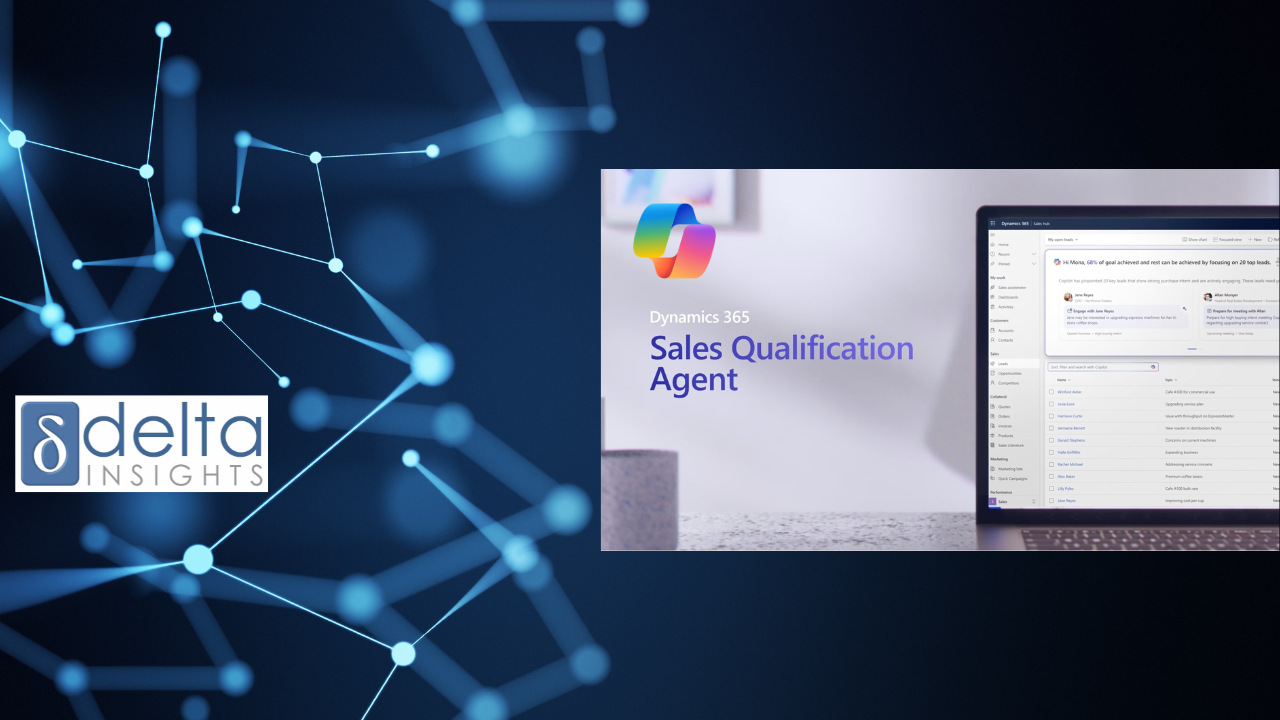
Microsoft’s Sales Qualification Agent is one of the first Dynamics 365 agents that can run parts of your sales motion on its own. It can research leads, draft outreach, follow up, and write everything back to CRM.
If you are thinking “great, we can scale pipeline without scaling headcount”, you are not wrong. But it only works if you treat it like a sales process change, not a feature toggle.
At a glance
- Autonomous outreach creates speed, but also brand and governance risk
- Your data, qualification rules, and messaging quality decide whether it helps or harms
- Start with a narrow pilot, measure acceptance, then scale
The feature
What it is
Sales Qualification Agent automates lead research and qualification inside Dynamics 365, then supports outreach.
You can run it in two levels of autonomy:
- Assist mode (research-only): it prepares the research and drafts, your team still hits send
- Autonomous mode (research and engage): it sends and follows up based on your rules, then escalates when intent is clear
Why it matters for decision makers
This is not about “more emails”. It’s about response time, consistency, and sales capacity.
Where organisations usually win:
- Speed-to-lead: fast responses protect conversion rates, especially on inbound
- Process discipline: every lead gets the same minimum standard of follow-up
- Seller focus: reps spend more time on qualified conversations and less on admin
Where organisations get burned:
- Brand drift: outreach sounds generic or off-tone
- Bad qualification: wrong leads get prioritised, good leads get missed
- Compliance risk: inconsistent handling of consent, opt-outs, and sensitive info
- Low trust: reps ignore agent qualified leads if they don’t believe the logic
What you need to decide before you adopt
These are the business calls that make or break it.
1) What “qualified” actually means for you
If Marketing, Sales, and Sales Ops do not agree on qualification rules, the agent will just automate confusion.
You need clear answers to:
- What is your ICP and who is out of scope?
- What signals matter most (intent, fit, timing)?
- What are your hard disqualifiers?
2) How much autonomy you are comfortable with
Start with assist mode if you need trust and control. Move to autonomous mode when you have confidence in:
- the rules
- the messaging
- the governance
3) Your outbound guardrails
Autonomous outreach needs policy, not vibes. Decide upfront:
- Who can be contacted and under what conditions
- How opt-out and unsubscribe is handled
- Follow-up limits (cadence, number of attempts, quiet periods)
- Escalation rules for sensitive or complex responses
4) Data quality and ownership
If your CRM data is patchy, the agent will make bad calls quickly. This is the unsexy part, but it is the real work:
- lead source and attribution you trust
- clean account and contact fields
- consistent activity capture
- a clear owner for fixing what breaks
5) How you will measure success
Pick 4 metrics and review them weekly during pilot:
- speed to first touch
- response rate
- qualification accuracy (accepted vs rejected by reps)
- conversion to meeting or next step
If reps are rejecting a big chunk of agent qualified leads, you have a rules problem, not a rep problem.
A practical example
You have high inbound volume and your response time is inconsistent. Some leads get a call within hours, others wait days.
A sensible pilot looks like this:
- Scope: one lead type (eg inbound demo requests) and one segment (eg mid-market NZ)
- Mode: assist mode for the first 2 to 4 weeks
- Outputs: research summary, suggested qualification, and draft outreach in your tone
- Handoff: reps review and send, then feedback why they accepted or rejected
- Decision: only move to autonomous mode once rep acceptance is strong and messaging is on point
This gives you speed and consistency without risking brand damage on day one.
Delta Insights take
If you want this to drive revenue, you need three things working together: process, platform, and people adoption.
Here’s how we help, end to end:
- Readiness and guardrails: define qualification rules, autonomy level, outbound policy, and escalation paths
- Setup that reflects your business: translate your real qualification process into agent logic, routing, and sequences
- Messaging that sounds like you: build templates by segment and buying stage so the agent does not send generic noise
- Pilot and measurement: set up dashboards and a weekly review loop so you learn fast and improve safely
- Sales enablement: train your team on how to work with agent handoffs so adoption sticks
If you are considering autonomous sales outreach, reply with your current lead volumes, response time, and how you qualify today. We will suggest a safe pilot scope and what to sort first.